The Horizon: Sara Bonache, Kathie Halfin, and Adrienne Lee
-
 Sara Bonache, Cosmic Dance, , 2023
 -
Sara Bonache, Flood, 2024
-
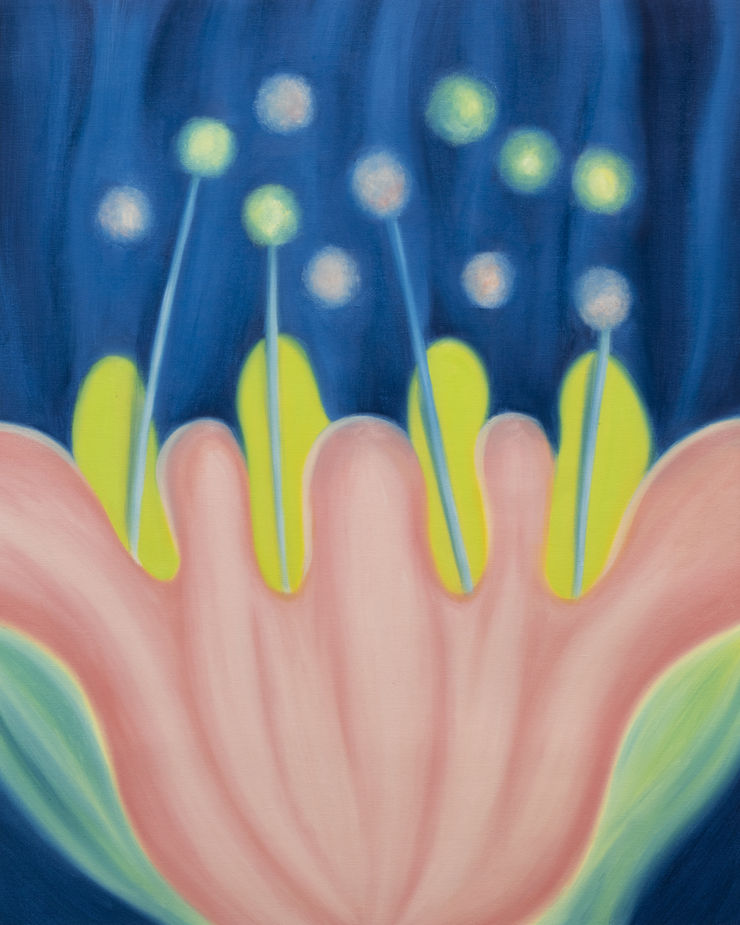
Sara Bonache, Secret Tulip, 2024
-
Sara Bonache, The Meeting, 2024
-
Sara Bonache, Vessel, 2024
-
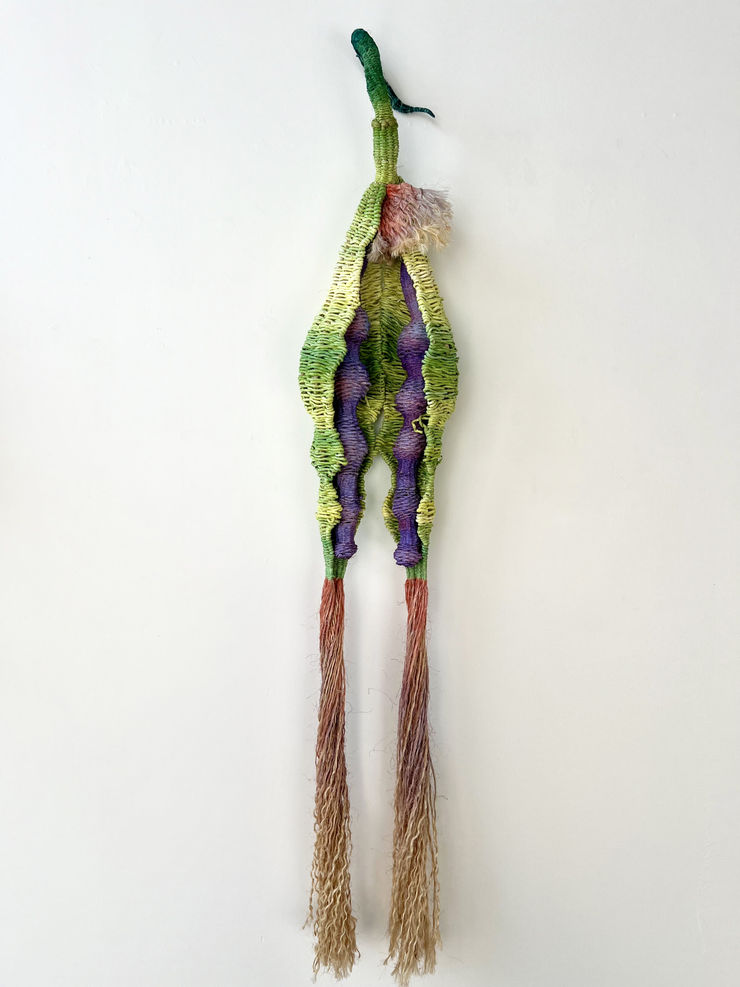
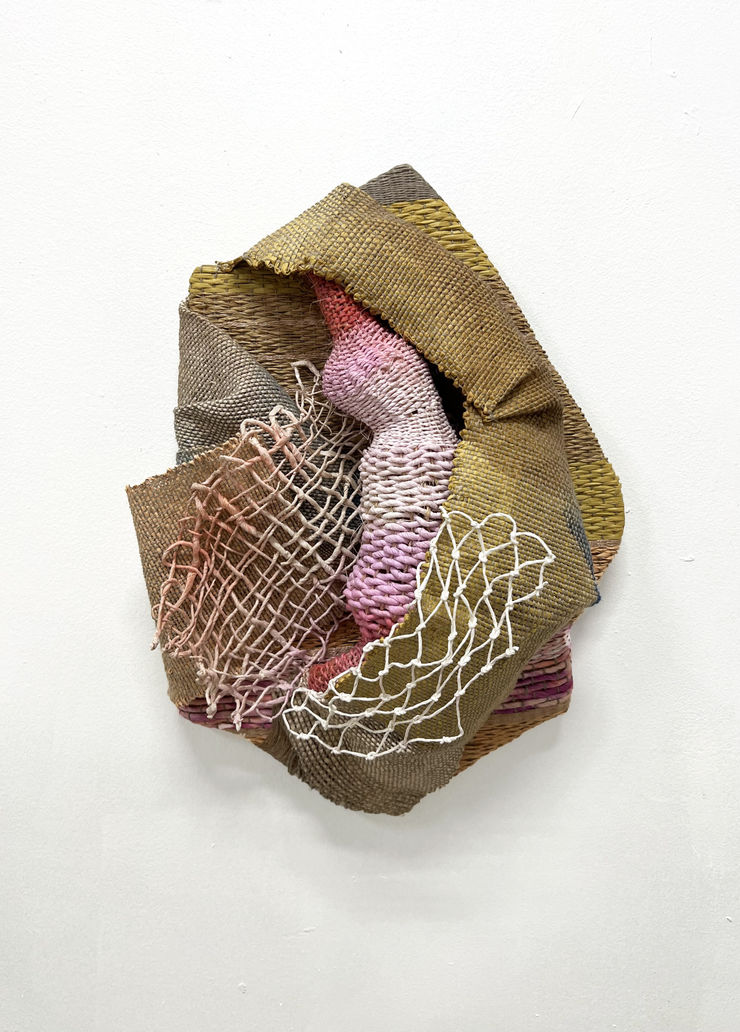
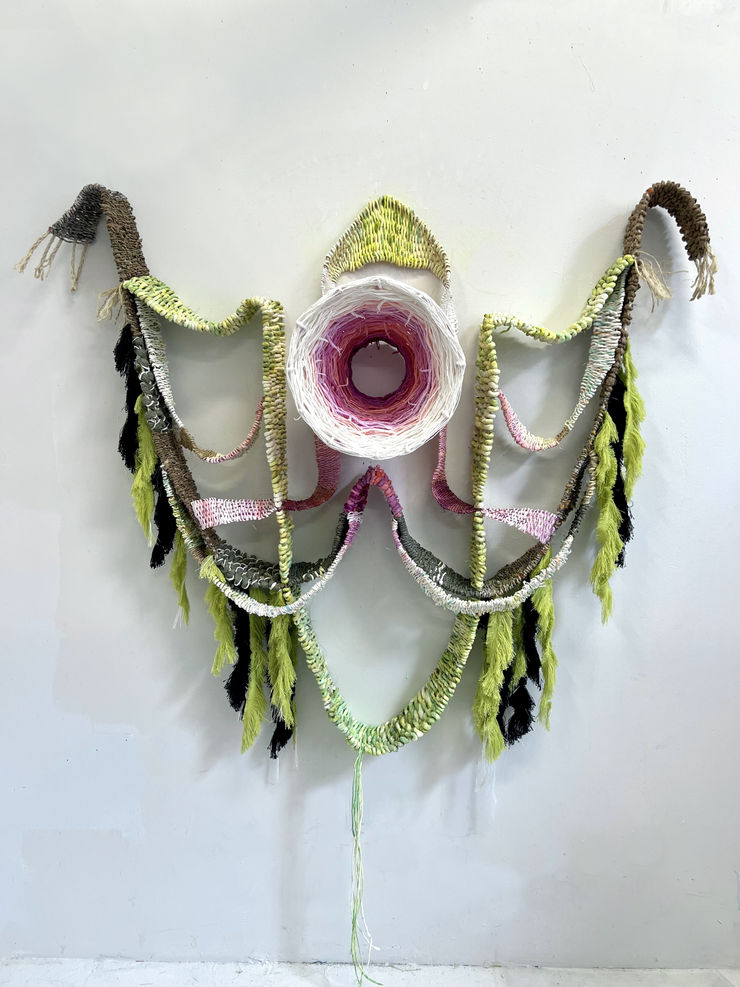
Kathie Halfin , MATURED, 2024
-
Kathie Halfin , From The Inside Out, 2023
-
Kathie Halfin , Emergence, 2022
-
Kathie Halfin , Despite The Gloom, 2023
-
Kathie Halfin, As Above So Below, 2024
-
Adrienne Lee, (Assisi) no. 16, 2025
-
Adrienne Lee, (Assisi) no.9, 2025
-
Adrienne Lee, (Assisi) no. 10, 2025
-
Adrienne Lee, (Assisi) no.12, 2025
-
Adrienne Lee, (Assisi) no.4, 2025


The Horizon
February 24 - April 18, 2026
(New York, NY) dmincubator gallery announces an online group exhibition, The Horizon, including the paintings and sculptures of Sara Bonache, Kathie Halfin, and Adrienne Lee. The Horizon involves the ontological and phenomenological barrier between the subjecthood and the other, crossing of which is forbidden in reality but permitted within the realm of human imagination through art. (Phenomenology, which studies the first-person experience of things, helps shape ontology, which defines and categorizes beings and existence.) This abstract barrier between us humans and a butterfly, for example, which we cannot become in physical reality, is akin to the event horizon in a black hole, the point of no return. Just like the astrophysicists who build a theoretical knowledge base of what goes on inside a black hole, artists expand our human understanding through the power of imagination to simulate the things and beings that exist beyond our immediate self and being.
Sara Bonache's paintings of natural, floral, and vegetal structures and abstractions are strongly inspired by Georgia O'Keefe and other modern artists. They detail the artist's journey to know in greater depth about Mother Nature. Within a patriarchal system of knowledge, Nature has been associated with femininity and relegated to a secondary role in relation to Culture, which was equated to masculinity. Bonache's paintings flip this unjust patriarchal narrative by making the natural world the subject of her imagination. In her paintings, such as "Vessel" (2024) and "Cosmic Dance" (2023), we observe striking metaphors of tears or raindrops collecting on a vaginally-shaped vessel, and of dandelions flying off into the sky and joining the stars, respectively. In a way, Bonache and the flowers are collectively dreaming of an alternate reality in which they both merge onto the cosmic plane of existence. This constitutes an impossible conversation across the barrier between the artist and the flowers, which is recorded in her paintings.
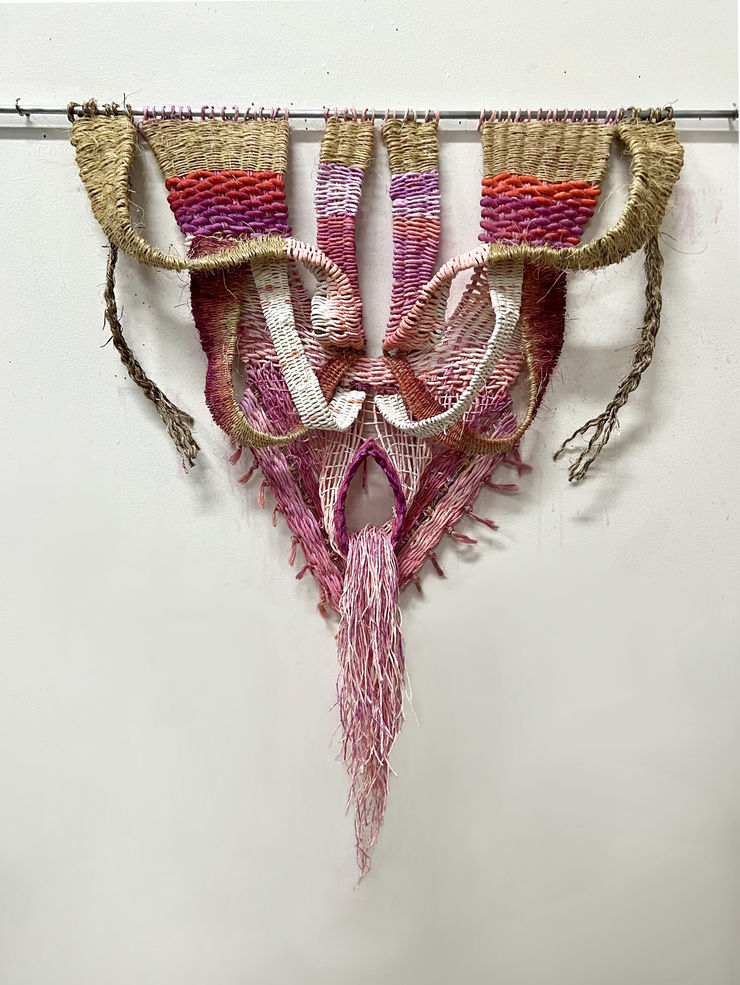
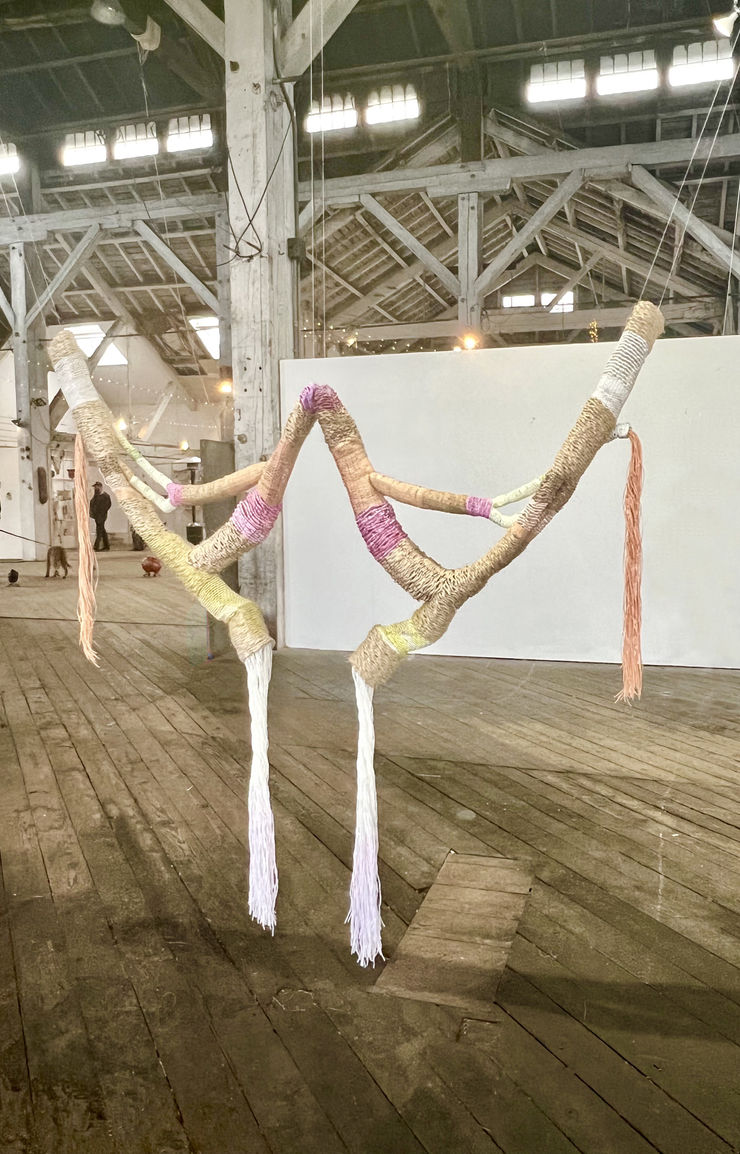
Kathie Halfin pays homage to the natural environment by exploring visual sensations, tactile touch, and texture, which is how plants adapt to the environment and ensure their reproduction. Like Hilma af Klint, who studied the inner personalities of the flowers and the atoms, Halfin explores the unique subjecthood of plants that are often overlooked and enlarges them into singularly composed visual statements. In her woven sculptural pieces, such as "Attuned Listener" (2025), the artist utilizes sustainable materials like sisal, flax, and hand-spun paper to depict a non-human biologic state of being. This particular work, for example, does not necessarily illustrate seaweed or a fish net in the literal sense, but establishes an abstract portrait of organic matter and the various relationships between them (as if they could replace the shapes and colors of a figurative painting). Her art takes inspiration not only from the tradition of weaving and basket-making, which were shared by women across the generations around the globe, but also her shamanic practice, which connects the artist to her spiritual roots that is found within Mother Nature.
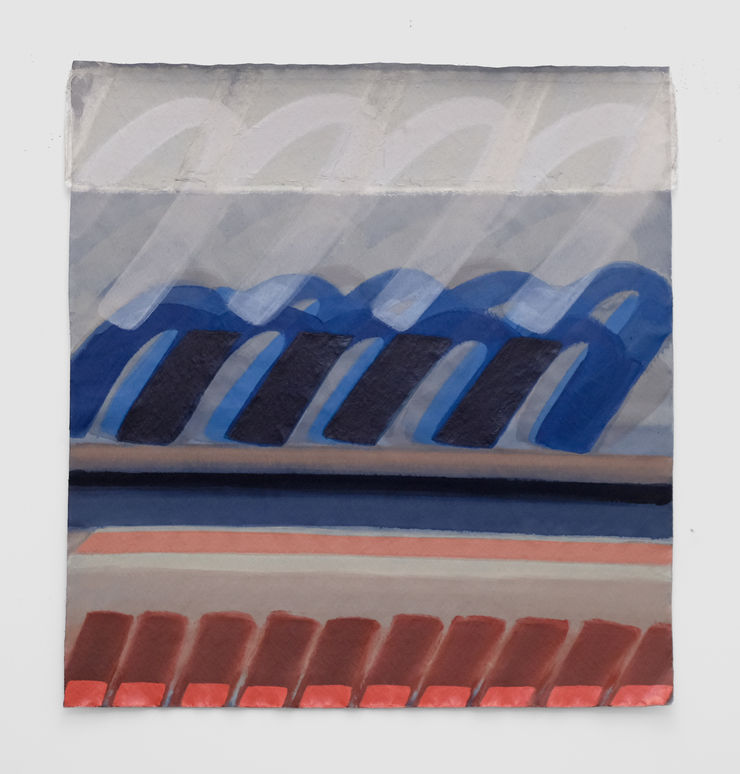
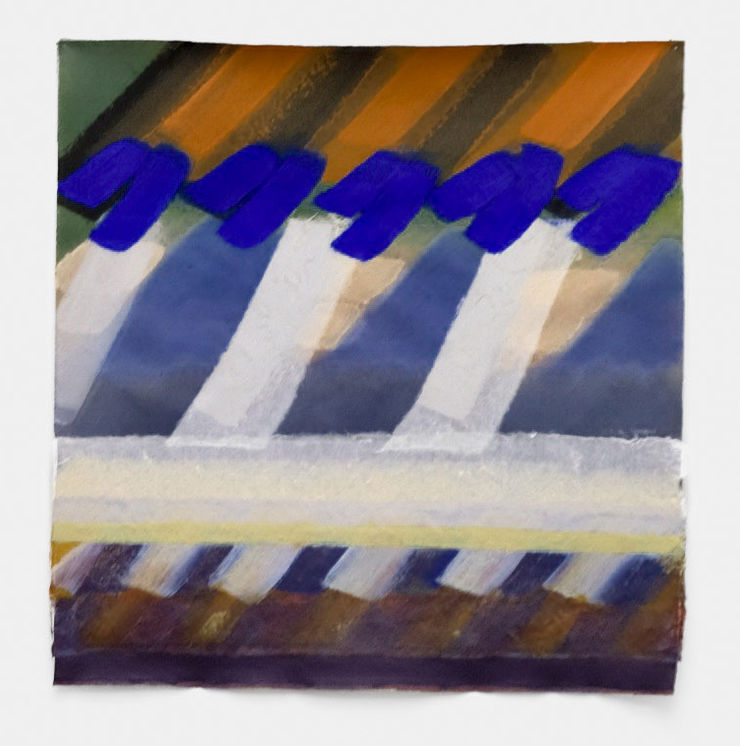
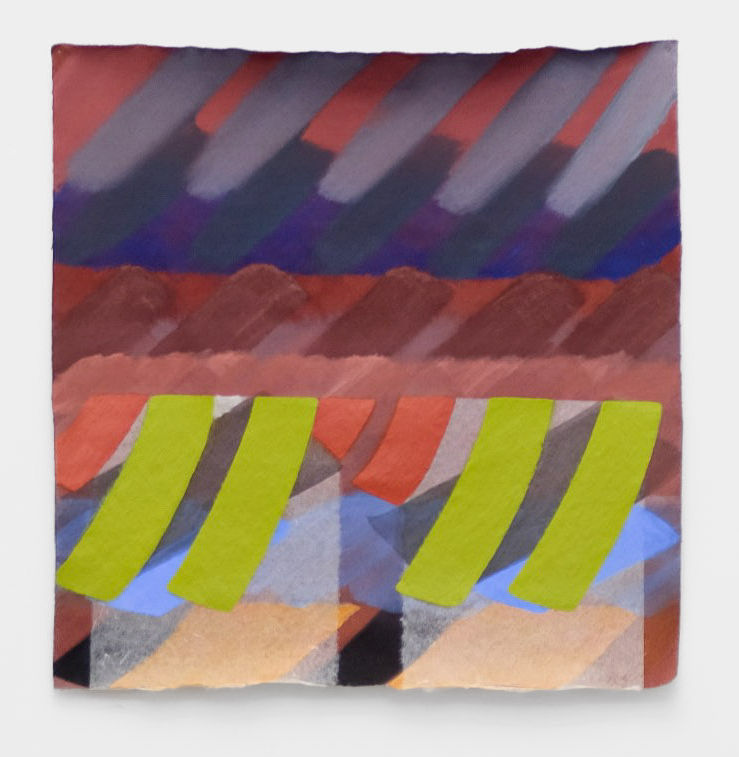
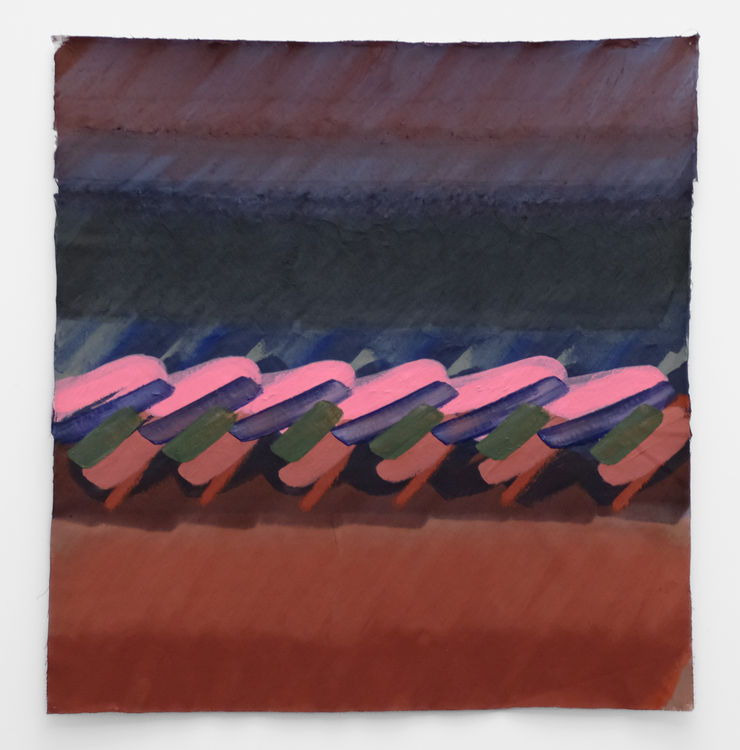
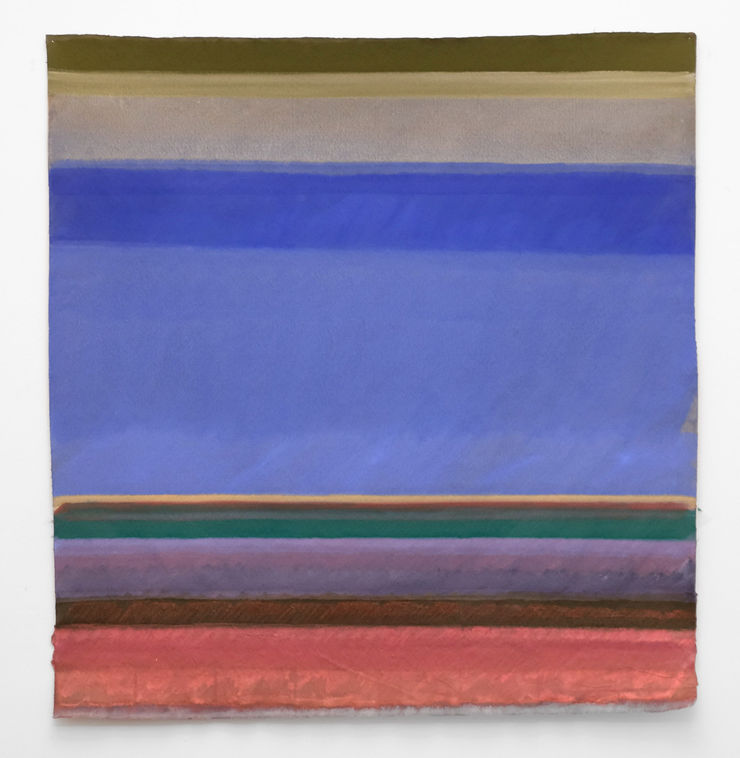
Adrienne Lee's abstract works, reminiscent of Abstract Expressionism and Color Field paintings, layer strata of colors and meanings that deconstruct and reinterpret a particular subject matter, such as dancheong and Assisi. (Dancheong is the Korean tradition of painting intricate, decorative patterns on wooden parts of important buildings, adapted from the Chinese practice of danqing.) To understand Lee's paintings, one can imagine that the artist is trying to comprehend a place or a situation by moving swiftly through it, as if on a highway or a bullet train. This motion blur would be the sum of the subject matter, which is what Lee's abstract paintings may be trying to capture. Lee's painting simultaneously destroys and re-creates the subject matter through the language of abstraction, thereby achieving a communication over the horizon line between the artist and the others that she is trying to understand. This link dissolves the differences between the roles of the observing subject and the observed object, turning them into one and the same. Thus, while Lee does not necessarily focus on the themes of human versus non-human, or culture versus nature, she reprocesses, simulates, and reconstructs the subject matter through her language of abstraction. This is Lee's way of breaking through the abstract barrier between the subject and the non-subject other.
Through The Horizon, we transcend the self-centered tendency of subjecthood and arrive at the various modes of empathy and understanding. The artists shift our attention to the subjects that were often neglected and develop a particular abstract language that deconstructs and recreates the subject, both native to one's own culture and outside of it. Through mimesis, empathy, imagination, and the power of art, we cross over the horizon, to make it safely to the other side to express genuine love for those across and different from us. What is a human but a part of nature? What is art but a human inquiry into our own existence and the world around us?


