Hand of Venus: a solo exhibition by Lesley Bodzy
-
 Lesley Bodzy, Dream Walker / Fletcher, 2024
 -
Lesley Bodzy, Hand of Venus I (after Titian), 2026
-
Lesley Bodzy, Beauty Fable, 2023
-
Lesley Bodzy, Feminine Royal, 2022-2025
-
Lesley Bodzy, Toxic Verdancy, 2026
-
Lesley Bodzy, Quiet Divide, 2026
-
Lesley Bodzy, Origin (Omega), 2024
-
Lesley Bodzy, Untitled, 2025
-
Lesley Bodzy, Soft Embrace III, 2023
-
Lesley Bodzy, Hand of Venus II (after Manet), 2026
-
Lesley Bodzy, Hand of Venus III (after Modigliani), 2026
-
Lesley Bodzy, Hand of Venus IV (after Giorgione), 2026
-
Lesley Bodzy, Hand of Venus V (after Modigliani), 2026






Lesley Bodzy: Hand of Venus
April 22 - May 23, 2026
Opening Reception: April 22, 5-8 PM
dmincubator gallery, 16 East 71st Street, New York, NY 10021
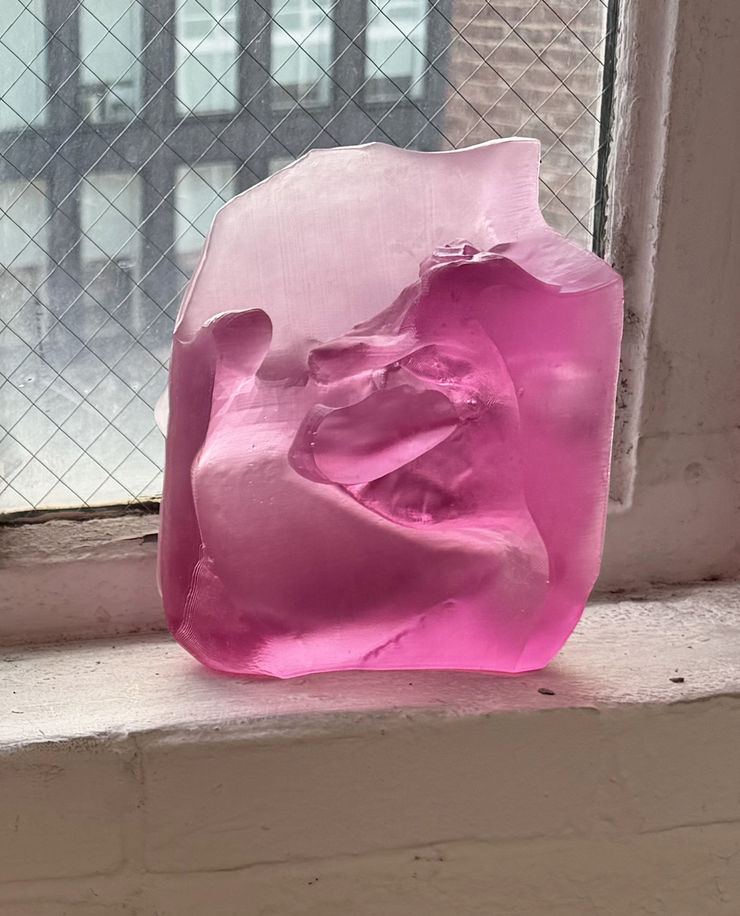
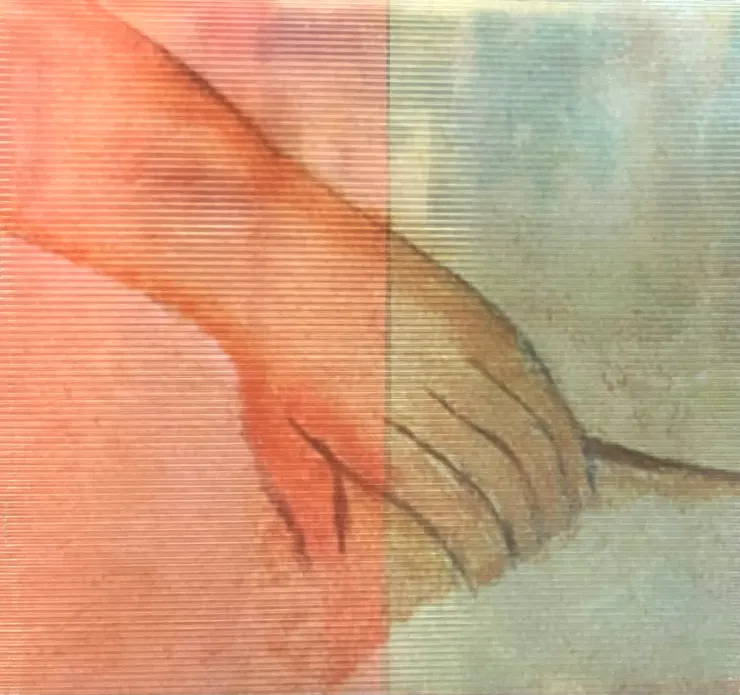
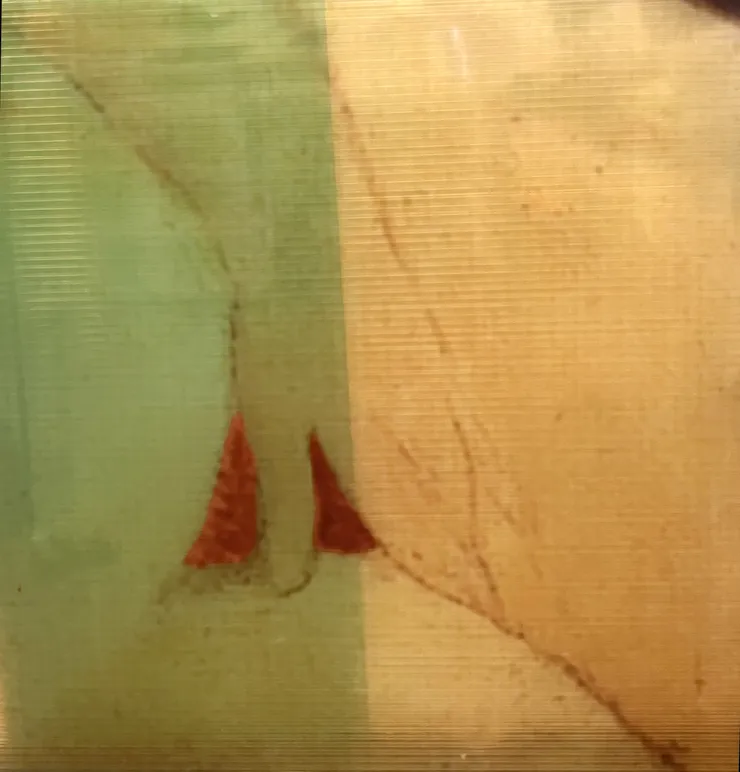
Hand of Venus, Lesley Bodzy's solo exhibition at dmincubator gallery, proclaims a feminine desire and gaze. Her new series, which lends its title to the exhibition, involves transfers of photos of the hand of the Venus of Urbino from Old Master and modern paintings on polycarbonate sheets reinterpreted with alcohol ink and acrylic paint. On view are also other works, which represent a more subtle exploration of the ambiguities surrounding female representation.
Bodzy's Hand of Venus series draws on cropped nudes by Giorgione, Titian, Édouard Manet, and Amedeo Modigliani, overlaying symbolic abstraction onto the hand and pelvis-mimicking double exposure in photography-to create new meaning. Bodzy's work illustrates her woman as an active participant rather than a passive object for male pleasure, which has been the dominant interpretation of the Sleeping Venus (1510) by Giorgione, Venus of Urbino (1534) by Titian, and similar works that came after. For example, Hand of Venus I (2026) suggests a revealed hand and cleavage within a woman's dress, while Hand of Venus IV (2026) alludes to wetness centered around Venus's vulva. Framing the image's focus on the hand, cutting away unnecessary body parts laden with a male-centric history, gives the artist creative control. By making works that reexamine art historical imagery, Bodzy reclaims the definition of female sexuality, which has been controlled and censored for centuries.
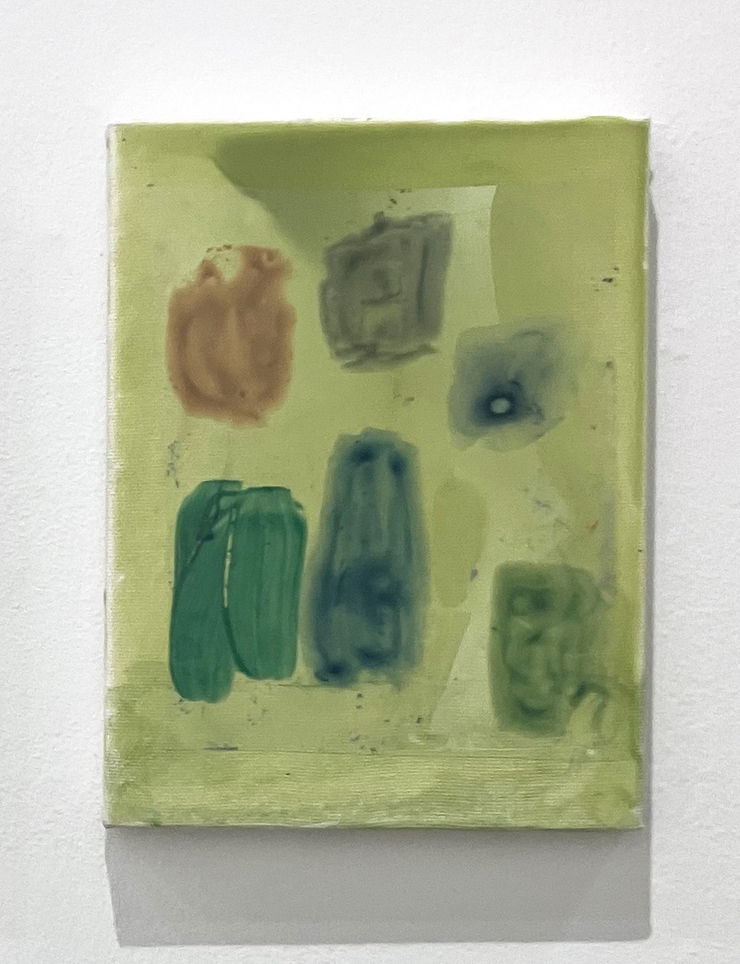
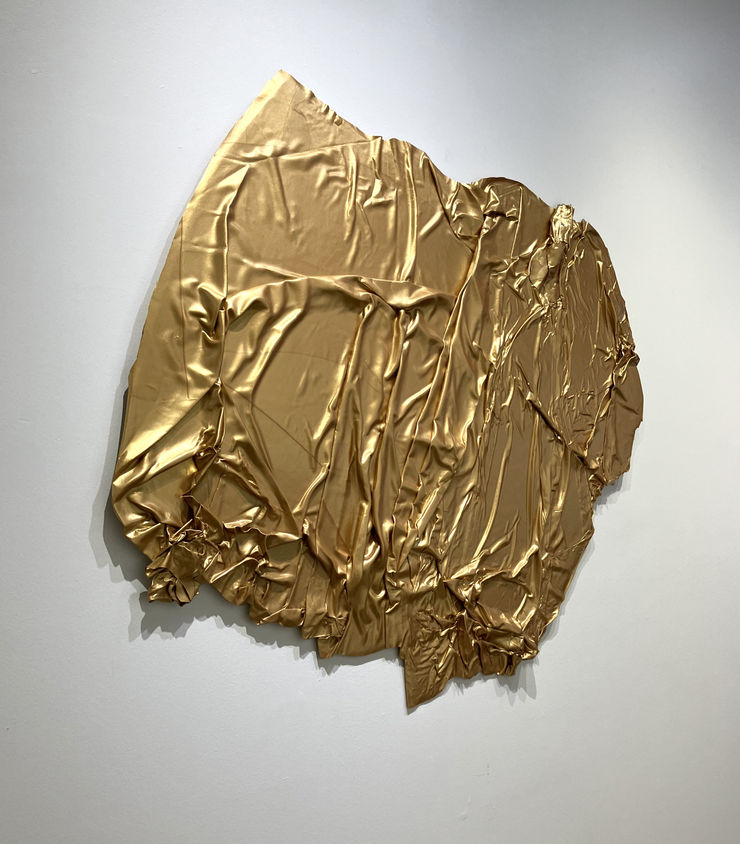
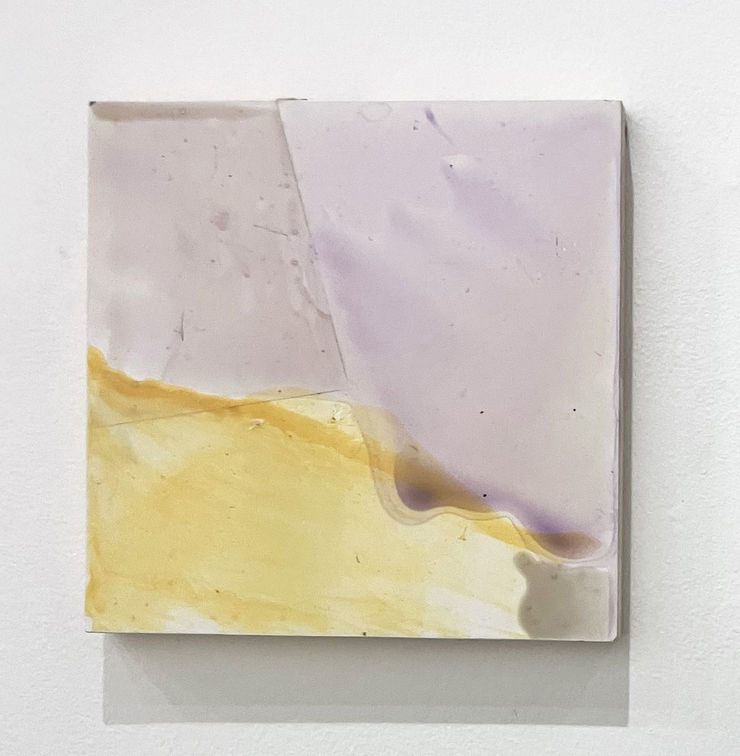
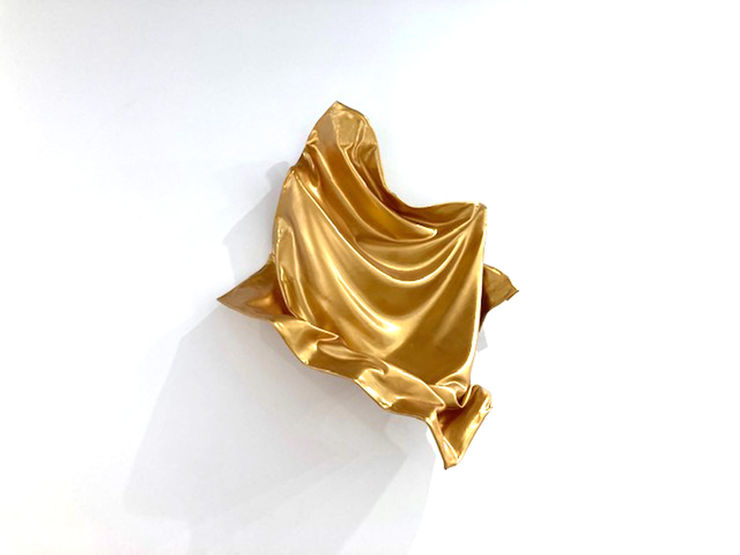
The exhibition also showcases bold sculptures in iridescent colors and four abstract expressionist-style paintings. In Soft Embrace VI, the gold acrylic behaves like a tapestry held up from behind, suggesting a phantom figure behind the work, which is simultaneously ominous and comforting in its offer of a 'soft embrace.' This work of sculptural painting recalls the ornate characteristics of Baroque painting and architecture in their sensuous richness, drama, movement, tension, and emotional exuberance. Tying the exhibition's conceptual framework together, the paintings convey freedom of expression and emotional lightness.
Bodzy's approach to feminism is neither confrontational nor preachy; instead, it carefully makes one reconsider the perspectives left behind by patriarchal modes of being and thought.
